

Council Ranger urges locals to give wildlife a helping hand
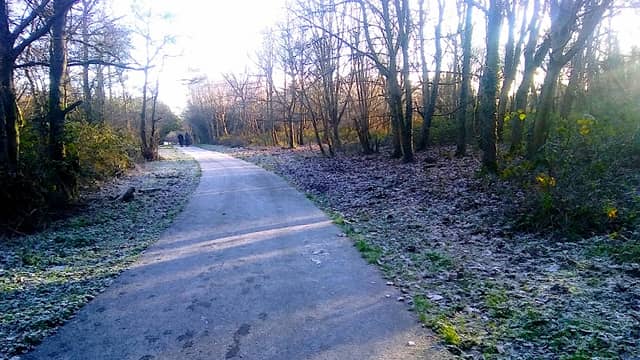

ANTRIM and Newtownabbey’s Head Ranger has urged locals to consider giving local wildlife a helping hand as the winter continue to bite, writes Lise McGreevy. Christopher Bryant issued the call as the MET Office warned that parts of Northern Ireland could experience ‘heavy snow showers’ later this month.
ANTRIM and Newtownabbey’s Head Ranger has urged locals to consider giving local wildlife a helping hand as the winter continue to bite, writes Lise McGreevy.
Christopher Bryant issued the call as the MET Office warned that parts of Northern Ireland could experience ‘heavy snow showers’ later this month.
Frosty scenes of frozen lakes and pretty white landscapes are nothing new at this time of year - but unfortunately, it is not only people who are finding it hard to stay warm and fed during these testing times.
“Our local wildlife are fighting the bitter cold too,” said the Ranger.
”Many will struggle due to their normal food source being inaccessible beneath the ice-laden ground and environments they live in.
“There’s not too much we can do at this time of the year, unfortunately, as many of our native species are either hibernating or over-wintering.
“But many animals still need our help throughout the year.
“Cat food or dog food, not fish based products, could be left out for badgers, hedgehogs et cetera.
“But it is birds that we can help directly at the moment.
“With the cold spell late last year and heavy snows predicted later this month, many species could be starving due to lack of food sources.
“I would urge the public for their support in providing other nutritious dietary supplements such as suet balls or fat balls.
“They offer some extra nutrition when things are frozen over and food is hard to come by.
“Mealworms are also a great option.
“Both products can be picked up easily for as little as £1 on the high street - so, a little money can go a long way to help our feathered friends.
“But please remember to vary the area and routine of feeding so as not to create a dependence on a regular food source.
“It is important that the remain self-reliant in the wild.”