

Medics plea for an end to abuse against hospital staff
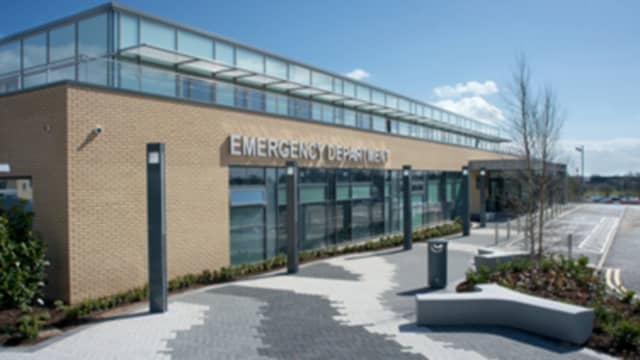

AS Christmas approaches, two members of staff at Antrim Area Hospital have spoken out to appeal for an end to verbal and physical attacks on healthcare workers. The plea came as figures were released by the Department of Health showing that there were over 50,000 attacks on healthcare staff in the last five years
AS Christmas approaches, two members of staff at Antrim Area Hospital have spoken out to appeal for an end to verbal and physical attacks on healthcare workers.
The plea came as figures were released by the Department of Health showing that there were over 50,000 attacks on healthcare staff in the last five years
A new framework to help tackle violence and aggression towards Health and Social Care staff, ‘It’s not part of the job’ has been produced by DOH in partnership with health trusts and Trade Unions.
It aims to prevent, reduce and respond to violence and aggression in health and social care.
Dr Eimhear Kearney, a consultant in the Emergency Department and ward sister Almira Barro spoke to the Antrim Guardian at the hospital on Monday.
Dr Kearney said that verbal abuse targeted at staff occurs on an almost daily basis - and that sometimes escalates into physical violence.
She said that while some of the trouble comes from people in mental health crisis or those who have taken drink or drugs, a lot of the issues stem from people who have been waiting for long periods to be seen, and, shockingly, their relatives.
“The Emergency Department is always open and for that reason, a lot of people end up here because there are simply no other services available and there is nowhere else for them to go.” said the medic.
“When someone is in crisis or lacks capacity, we do have utmost sympathy for them.
“The amount of people in mental health crisis presenting at the ED has increased hugely in recent years.
“We are at the stage of reaching out to other service providers to see if more can be done to provide intervention before these people arrive in the ED, which is already a busy and high pressured environment, and can add to the stress and anxiety of those patients, which in turn can make it uncomfortable for other people in the waiting area.
“However what is a lot more difficult to understand are those people with capacity, not abusing substances, who let their frustration escalate because their experience and journey through the ED does not meet their expectations.
“I myself have been subject to both assault and verbal abuse, vital equipment has also been damaged.
“In cases where staff have been assaulted, they sometimes need to take time off, and that puts added pressures on the system.
“Some are leaving the job entirely and that is never something we want to see.
“We can understand people’s frustrations at long waiting times, but not one of us leaves our home and our family and comes to the hospital to work to do a bad job.
“While waiting times may be long, on the other side, we are working flat out and people are seen on a basis of need and urgency, not by what time they arrive at.
“People need to manage their expectations and relatives in particular need to realise that getting frustrated and taking things out on receptionists and medical staff will not make anything better, in fact it just prolongs the process.”
Dr Kearney said that with paramedics now wearing body cameras, hospital staff may have to do similar in future. She also warned of a need for full-time security in the Emergency Department if things do not improve.
And she said that the anti-vaccine rhetoric in the wake of the covid pandemic has empowered some people to criticise the type of care they are receiving.
“I have been asked, does this person really need antibiotics, or an x-ray?” said Dr Kearney.
“I think that there is much more mistrust or cynicism about the medical profession and I think that is very sad to see.
“We are all doing the best we can under very trying circumstances and our aim is to care for people and it is very disheartening to hear that sort of thing and have your commitment and ability questioned.”
Ms Barro said she had also been the target for abuse.
“This is a place where people should feel safe and cared for,” she said.
“No staff or patients should be frightened about the behaviour of other people around them, but sadly that is very often the case.
“When people are disruptive in the hospital, not only are the staff affected when they are trying to do their jobs, but the other people receiving treatment too.
“Healthcare staff are working hard to help people and the last thing they need is to be subjected to abuse when they are doing this very important job.”